Stucco Remediation in Port St. Lucie, FL
Remediation is what the job becomes when water has already gotten behind the wall and stayed there. We open up failed stucco assemblies on Port St. Lucie homes, find out how far the damage traveled, rebuild the substrate, and put the wall back correctly.
Request a quote
Four questions, about a minute. We'll call you back.
Remediation is not just a larger repair
A repair addresses the stucco. Remediation addresses the wall. The distinction matters because the two jobs answer different questions. A repair asks how to make this section sound and invisible again. Remediation asks what path the water took to get in here, what it damaged on the way, and what has to change so it does not happen a second time.
The stucco itself is frequently the last thing that failed. On a framed wall the usual culprit is upstream of the plaster entirely: a window that was never properly flashed, a kickout flashing that was left off where a roof edge meets a wall, a deck ledger, a torn or reverse-lapped weather-resistant barrier. Water enters at a detail, runs down the back of the drainage plane, and finds somewhere to sit. By the time it shows on the outside, the sheathing behind it has often been wet for years.
The investigation comes before the demolition
We start non-invasively. A surface scanning meter reads relative moisture across an elevation and lets us map where the wet areas are without putting a single hole in the wall. Those readings are comparative rather than absolute, so we use them to narrow the search, not to draw conclusions.
Then we probe. Small holes drilled through the stucco let a pin meter read the actual moisture content of the sheathing or framing behind it. Probes go at the places water is most likely to collect: below window sills, at the corners of openings, at roof-to-wall transitions, at penetrations, and low on the wall near the base. We record what each probe reads and where it was taken, so what comes next is based on data instead of a guess. Every probe hole gets patched and sealed the same day.
- Visual survey of flashing, terminations, sealant joints, and grade conditions
- Non-invasive scanning to map the wet areas across each elevation
- Invasive probe readings of the actual substrate at targeted locations
- Documented readings tied to specific locations on the wall
- A written scope drawn from the findings, before anyone starts cutting
Opening the wall and rebuilding the assembly
Once the scope is set, the stucco and lath come off in the affected areas and we get to see the truth. Sheathing that is soft, delaminated, or blackened comes out. Framing gets probed and evaluated. Anything structural that is compromised gets identified and addressed before the wall closes back up, and if it is beyond a siding contractor's lane we will say so rather than plaster over it.
Rebuilding runs in the reverse order of failure. New sheathing where it was needed. A continuous, correctly lapped weather-resistant barrier that sheds water down and out rather than into the wall. Flashing corrected at every opening and transition that contributed to the problem, including the kickouts that were missing. Then new lath, then the coats, then the finish. If the drainage detail does not get fixed, the new stucco is just a fresh surface over the same failure.
- Selective demolition of stucco and lath in the affected areas
- Removal of rotted or delaminated sheathing
- Drying of the cavity and remaining framing before anything is closed in
- New weather-resistant barrier, lapped shingle-style so water drains out
- Corrected flashing at windows, doors, roof-to-wall junctions, and penetrations
- New lath, new three-coat stucco, and a finish blended to the rest of the house
Why remediation scopes vary so widely
There is no useful average price for this work, and anyone who quotes one over the phone is guessing. Two houses of identical size can be an order of magnitude apart in cost depending entirely on how long the water has been in the wall and how far it spread before anyone noticed.
Scope is also affected by what else has to move. Windows sometimes have to come out to flash them properly. Trim, shutters, downspouts, light fixtures, and pool cage attachments all get removed and reset. Interior finishes occasionally have to be opened where damage came through. The stucco line item is often not the largest number on the page.
- Extent of wet or rotted substrate found during probing
- Whether structural framing is involved or only sheathing
- Number of windows or doors that must be pulled and reflashed
- Height and access, including scaffold requirements
- Removal and reinstallation of attached items on the wall
- Whether one elevation is involved or the damage runs around the building
Why this climate makes moisture problems worse
In a dry climate, a wall that gets wet gets a chance to dry out between events. Here it often does not. Ambient humidity stays high enough for long enough that a cavity holding water simply stays damp, and damp wood is what rot needs. That is why a leak that would be a slow nuisance elsewhere becomes structural damage on the Treasure Coast.
Wind-driven rain is the delivery mechanism. Rain arriving nearly horizontally is pushed into gaps that would never see water from a vertical drip, and it gets forced upward under laps and terminations. During storm season a wall can take on more water in a single afternoon than it would in months of ordinary weather. Add salt to that moisture and any embedded metal in the assembly starts corroding at the same time.
What you might notice before we do
The exterior signs are the ones people usually catch first. Staining that keeps coming back through fresh paint. A chalky white bloom on the surface, which is efflorescence and means water is moving through the wall and depositing salts as it evaporates. Bulging or soft areas. Stucco that crumbles when you press it near the base of a wall.
The interior signs get missed more often, and they are the ones that tell you the problem is already past the stucco. Baseboards that have separated or cupped. A musty smell in one room and nowhere else. Drywall that feels soft below a window. Paint or wallpaper lifting on an exterior wall. Any of those on an outside wall is worth a probe test before it becomes a bigger project.
- Recurring stains that bleed through new paint
- Efflorescence blooming on the exterior surface
- Soft, bulging, or crumbling stucco, especially low on the wall
- Cupped or separated interior baseboards on an exterior wall
- A persistent musty smell isolated to one area
- Soft drywall or lifting paint beneath a window
Protecting yourself on a remediation project
Insist on documentation. Probe locations, moisture readings, and photographs of what was found once the wall was open should all be handed to you. That record is what proves the work was necessary and what proves it was done, and you will want it if you ever sell the house.
Be skeptical of a fixed price quoted before any probing has happened. Nobody can know the extent of hidden damage from the outside of a wall, and a firm number offered without investigation usually means the unknowns get billed to you later anyway. A scope written in phases, with an agreed unit price for additional damage found, is more honest and usually cheaper in the end. Also make sure someone has taken responsibility for the flashing details, because that is where the job either succeeds or repeats itself.
- Written moisture readings with mapped probe locations
- Photographs of the open wall before it is closed in
- A phased scope with unit pricing for additional damage discovered
- Clear ownership of flashing and weather barrier details
- Confirmation the cavity was dry before it was closed
- A finish and texture approval step before the final coat goes on
What stucco remediation costs in Port St. Lucie
There is no honest average for remediation, because nobody knows how far the water traveled until the wall is open. Putting the wall back prices by the square foot the way any restucco does, so we price the investigation first and write the repair scope from what the probes and the opened wall actually show.
| Investigation visit, scanning and probe readings, written up | $350 to $750 service visit |
|---|---|
| Rotted sheathing, framing repairs, and windows pulled to reflash | Unit priced after probing |
| Selective replacement of the failed areas plus a full refinish | $5 to $9 per sq ft of wall |
| Full remove and replace on block | $7 to $12 per sq ft of wall |
| Full remove and replace on frame, new lath and three coats | $9 to $15 per sq ft of wall |
What moves the number
- How much wet or rotted substrate the probes turn up
- Whether framing is involved or only the sheathing
- Number of windows and doors that come out to be reflashed properly
- Height and access, including scaffold
- Trim, shutters, downspouts, and fixtures that come off and go back on
- Whether one elevation is involved or the damage runs around the building
Every figure here is a range and none of it is a quote, because the real scope gets written after the probing rather than before it. Call (772) 251-6654 or send the form and we will put it in writing.
Questions about stucco remediation in Port St. Lucie
How is remediation different from a stucco repair?
A repair rebuilds the stucco. Remediation rebuilds the wall assembly behind it, including the weather-resistant barrier, the flashing, and any damaged sheathing or framing. If the substrate is dry and sound and only the plaster failed, you need a repair. If water has been sitting behind the wall long enough to damage what is back there, patching the outside just hides an ongoing problem.
Do you have to remove all the stucco on the house?
Not usually. Probe testing exists specifically so we can define the wet areas and remove only what needs to come off. Full removal becomes the sensible route when the damage is widespread across most elevations, or when the underlying barrier and flashing were installed wrong everywhere, in which case selective work would just leave you with the same failure next to the new work.
Can I remediate only the one wall that has a problem?
Often yes, and that is frequently the right call. Water damage tends to concentrate where the details are worst, so a single elevation getting the brunt of wind-driven rain can be far worse than the other three. We probe all sides before recommending a single-wall scope, because finding the same conditions elsewhere changes the plan. Bear in mind that a newly finished elevation will not match the sun-faded ones next to it without coating.
How do you know the wall is dry enough to close up?
We take meter readings of the exposed sheathing and framing and keep drying until they come down to a stable, acceptable level rather than closing on a schedule. Readings get taken over more than one day, because a surface can read dry while the core is still wet. Closing a wall early is the one mistake in this process you cannot see afterward and cannot undo without opening it again.
Will homeowners insurance cover stucco remediation?
That depends entirely on your policy and on the cause, and we are not the right people to tell you what your coverage says. In general, sudden and accidental damage tends to be treated differently from long-term water intrusion or construction defects. What we can do is give you thorough documentation, including moisture readings, probe locations, and photographs of the open wall, which is what any claim or dispute will turn on. Talk to your carrier or a public adjuster about the coverage question itself.
Other services
All services →
Stucco Installation
New three-coat stucco over frame or block
Learn more
Stucco Repair
Cracks, spalling, bulges, and failed patches
Learn moreRestucco
Whole-house re-stucco, remove and replace
Learn more
EIFS / Synthetic Stucco
Installation, inspection, and repair
Learn more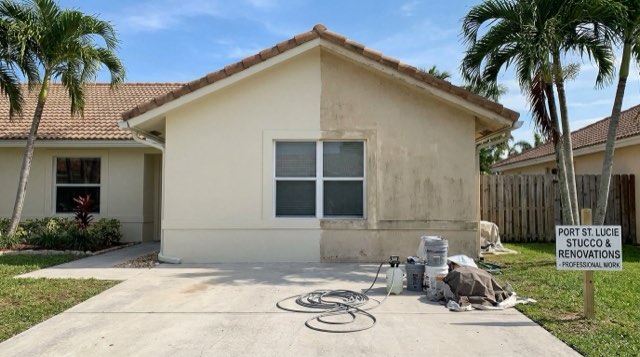
Stucco Resurfacing
Refinishing tired or mismatched walls
Learn more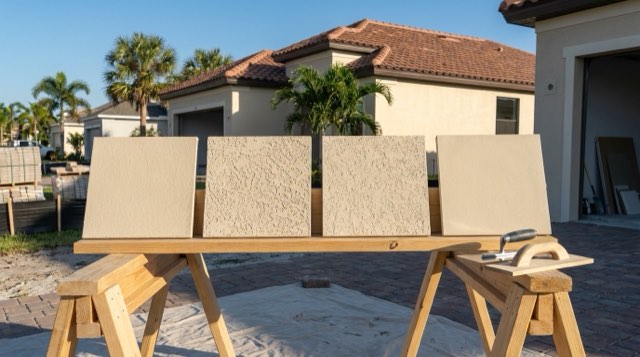
Decorative Stucco Finishes
Sand, lace, knockdown, smooth, and Santa Barbara
Learn more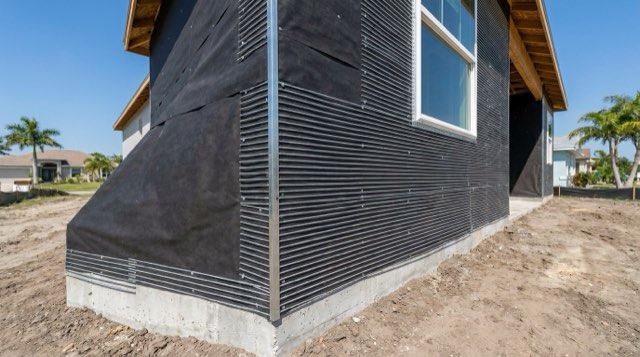
Lath and Plaster
Wire lath, scratch and brown coat
Learn more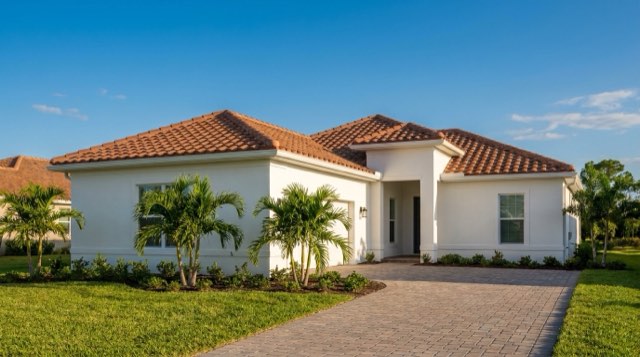
Stucco Painting and Coatings
Elastomeric and breathable coatings
Learn more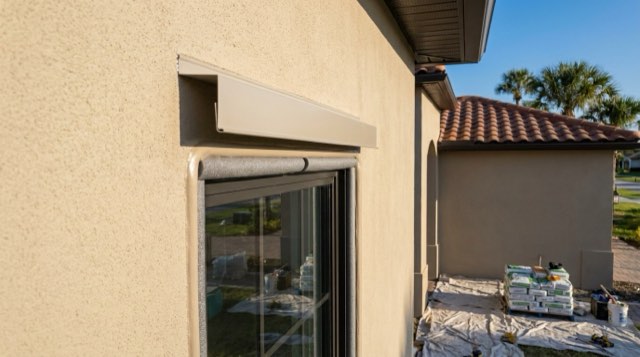
Stucco Waterproofing and Sealing
Sealants, flashing details, and weather barriers
Learn more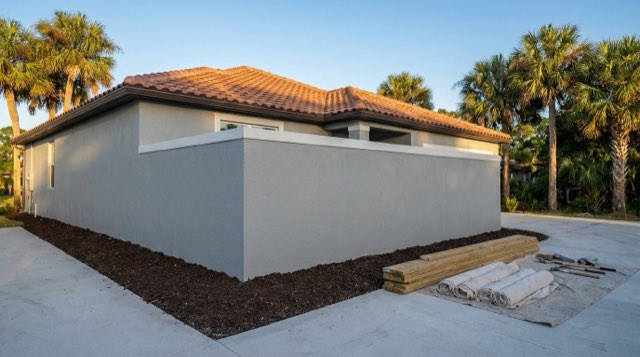
Block and Foundation Stucco
CMU parge coats and stem wall finishes
Learn more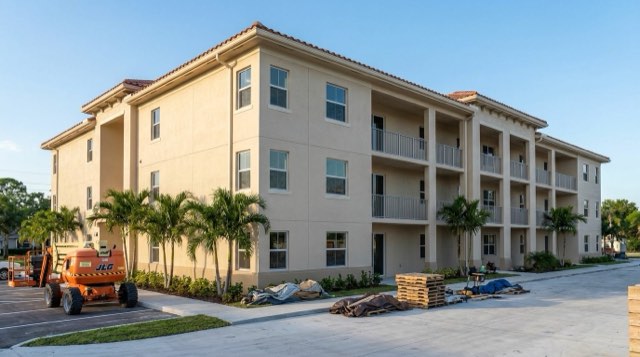
Commercial Stucco
Multi-family, retail, and light commercial
Learn more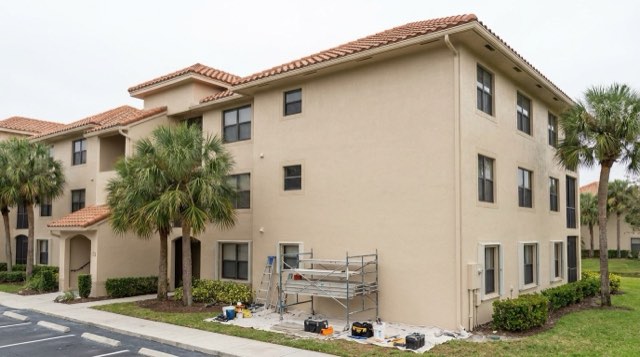
Commercial Stucco Repair
Scheduled maintenance and facade repair
Learn moreStraight answer on your wall.
Call, or send the form and we will get you a written price.